AI’s Impact on Marketing Efficiency
AI for marketing efficiency changes how you plan, produce, and measure your work. It reduces manual effort, speeds up decisions, and ties daily tasks to clear revenue outcomes.
Key Drivers of Increased Efficiency
AI in marketing improves speed, accuracy, and scale.
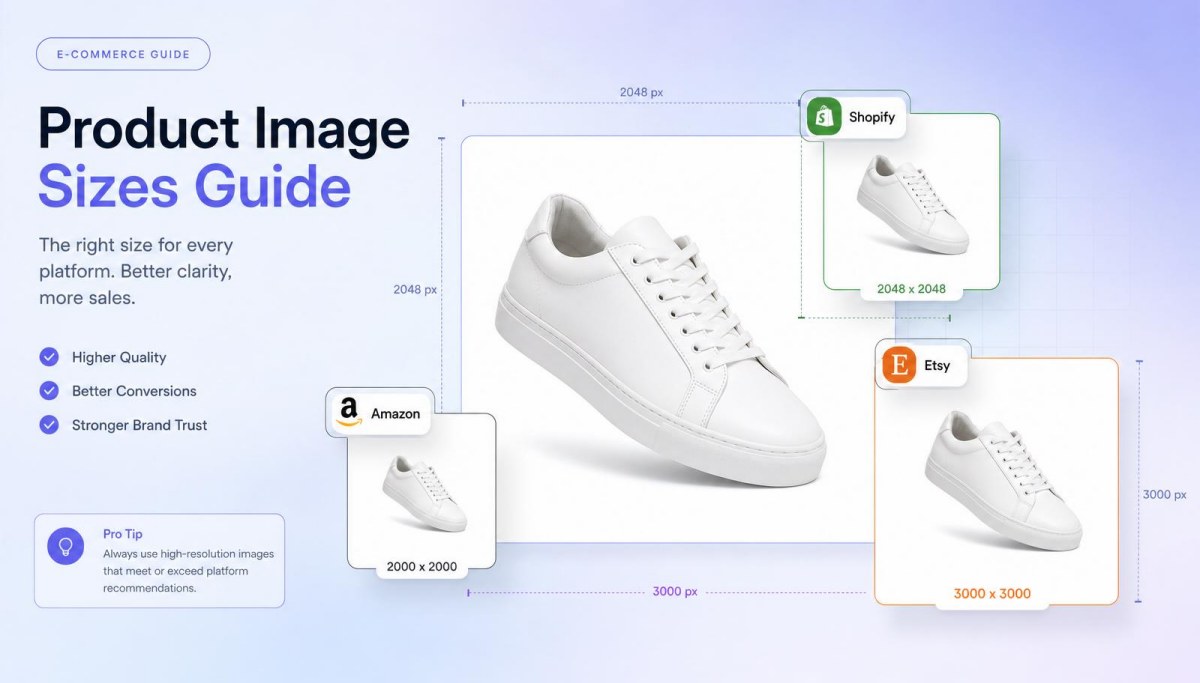
First, automation removes repetitive tasks. Tools can resize ad creatives, generate product descriptions for e-commerce content creation, and schedule campaigns without manual input.
This reduces hours spent on production work and shortens launch cycles. Second, AI improves targeting and personalization.
Machine learning models analyze customer behavior, past purchases, and browsing data. You can deliver ads and emails to the right segment instead of broad audiences.
This reduces wasted marketing investment. Third, predictive analytics supports better planning.
AI forecasts demand, ad performance, and customer lifetime value. You can shift budget toward high-return channels before costs rise.
Main efficiency drivers:
- Automated content creation and multi-size workflow execution
- Real-time audience segmentation
- Predictive budget allocation
- Faster testing and optimization cycles
How AI Transforms Marketing Operations
AI-powered marketing reshapes daily workflows.
Instead of running campaigns in sequence, you can run them in parallel. AI systems test multiple creatives, audiences, and bids at the same time.
They adjust in real time based on performance data. Creative production also changes.
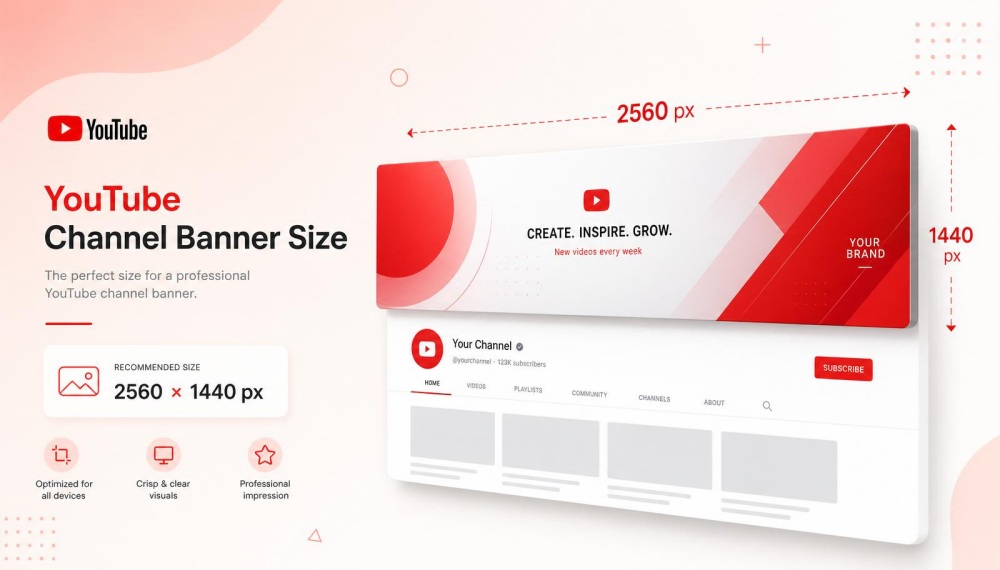
A small team can manage high-volume e-commerce content creation with AI tools that adapt images and copy for different platforms. A structured multi-size workflow ensures assets fit social ads, display banners, and product pages without manual resizing.
AI also reduces friction between teams. Shared dashboards connect media buying, creative, and analytics.
Data flows faster, so you make decisions based on current results, not last month’s reports. In many AI marketing case study examples, teams shift from manual execution to oversight.
You spend less time building assets and more time setting strategy, testing offers, and refining customer journeys.
Linking Efficiency to Marketing ROI
Efficiency matters only if it improves marketing ROI.
When AI reduces production time, you lower operational costs. When it improves targeting, you reduce wasted ad spend.
Together, these gains increase the return on every dollar of marketing investment. You can track this link through clear metrics:
| Efficiency Gain | Business Impact | ROI Effect |
|---|---|---|
| Faster asset production | More campaigns launched | Higher revenue opportunities |
| Better audience targeting | Lower cost per acquisition | Improved ad return |
| Automated optimization | Fewer manual errors | Stable performance over time |
AI for marketing efficiency also improves budget control. Real-time reporting shows which channels drive profit and which drain resources.
You can pause underperforming ads quickly and reallocate funds.
Implementing AI Marketing Automation
You improve AI for marketing efficiency when you connect data, tools, and daily tasks into one clear system. Strong setup, clear goals, and focused testing matter more than adding many tools at once.
AI Automation vs. Traditional Automation
Traditional marketing automation follows fixed rules.
If a customer downloads a guide, you send Email A.
If they click, you send Email B. This works for simple workflow automation, but it does not learn.
You must adjust rules by hand when results change. AI marketing automation goes further.
It studies behavior, purchase history, and engagement patterns. Then it predicts what a customer may do next and adjusts timing, offers, or content on its own.
For example:
| Traditional Automation | AI Automation |
|---|---|
| Rule-based triggers | Predictive decision-making |
| Manual updates | Self-optimizing campaigns |
| Static segments | Dynamic personalization |
You use AI automation to score leads, adjust bids, recommend products, and improve send times. This supports better campaign management and reduces manual work inside marketing operations.
Workflow and Campaign Automation
You gain the most value when you automate repeat tasks that slow your team down.
In one AI marketing case study, a small e-commerce brand called Urban Bloom struggled with content production. The founder spent over 20 hours each week in Canva resizing images for ads, email banners, and social posts.
Campaign launches often stalled because visuals were not ready. After adopting PixExact, she built a multi-size workflow that generated all required formats in minutes.
Her design time dropped to 2 hours per week. That shift changed her focus.
Instead of resizing files, she improved targeting, tested offers, and refined product pages. Within months, her ad return increased by 35%.
This shows how AI supports:
- E-commerce content creation at scale
- Faster campaign automation
- More consistent brand visuals
- Better use of strategic time
AI does not replace your marketing team. It removes production bottlenecks so you can improve results.
Overcoming Implementation Challenges
You may face resistance during AI adoption. Teams often worry about job loss or tool complexity.
Address this early. Show how AI supports daily tasks like reporting, content resizing, and automated customer service.
Make it clear that AI handles repetitive steps, not creative direction. Data quality also matters.
Poor data weakens predictions. Clean your lists, standardize naming rules, and connect systems before large-scale AI implementation.
Start small. Automate one workflow, measure results, then expand.
Track clear metrics such as time saved, cost per acquisition, and conversion rate. Strong planning, clean data, and focused rollout turn AI into a true productivity multiplier for your marketing operations.
Personalization at Scale With AI
AI-driven personalization lets you deliver relevant messages, offers, and products to thousands of customers without adding manual work. You use data and automation to create personalized content, email personalization, and personalized product recommendations that increase marketing efficiency and improve ad performance.
Dynamic Personalization Strategies
Dynamic personalization adjusts your content in real time based on user behavior, location, device, and past actions. You no longer send one static message to your entire list.
Instead, you tailor each touchpoint using live customer insights. You can apply dynamic rules across:
- Website banners that change based on browsing history
- Email personalization that updates subject lines and product blocks
- Paid ads that reflect recent cart activity
- Landing pages that adapt by audience segment
AI systems process large data sets fast. They track clicks, purchases, time on page, and repeat visits.
Then they trigger personalized marketing flows without manual setup for each customer. For a small e-commerce brand like Urban Bloom, this matters.
The founder once spent over 20 hours a week creating and resizing images in Canva for different campaigns. Campaign launches stalled because creative work took too long.
After adopting PixExact and using a structured multi-size workflow, she cut that time to 2 hours a week. She reused dynamic templates and auto-resized content for ads, social posts, and email headers.
This freed her to plan segmented campaigns instead of resizing images. Her ad return increased by 35% because her content reached the right audience faster.
Dynamic personalization works best when you combine fast content production with real-time data triggers.
Hyperpersonalization Techniques
Hyperpersonalization goes deeper than basic segmentation. It uses AI to analyze detailed customer insights such as purchase timing, average order value, browsing speed, and product preferences.
You move beyond “plant lovers” as a segment. Instead, you target:
- First-time buyers who viewed low-light plants
- Repeat customers who buy every 60 days
- Cart abandoners who respond to discounts
- High-value customers who prefer bundles
AI-powered systems score each user and adjust messaging automatically. You can personalize:
- Send times
- Discount levels
- Product images
- Copy tone
- Cross-sell suggestions
Urban Bloom used hyperpersonalization to improve its paid social ads. Once PixExact reduced creative production time, the founder tested multiple ad variations for different audience clusters.
She matched visuals and messaging to each group. Instead of one generic plant ad, she ran tailored campaigns for apartment renters, home office workers, and gift buyers.
This approach improved engagement and reduced wasted spend. Hyperpersonalization increases marketing efficiency because you stop paying for impressions that do not convert.
Personalized Product Recommendations
Personalized product recommendations drive revenue in e-commerce. AI analyzes browsing behavior, cart data, and past purchases to predict what a customer will likely buy next.
You can use recommendation engines for:
- “You may also like” sections
- Cart page upsells
- Post-purchase emails
- Subscription reminders
Retail studies show that targeted campaigns often increase return on ad spend by 10% to 25% when compared to non-targeted efforts. AI makes these recommendations scalable, even for small teams.
Urban Bloom integrated personalized product recommendations into its email flows. If a customer bought a snake plant, the system suggested compatible pots and plant food.
The founder used PixExact to quickly generate matching visuals for each recommendation block. This workflow connected personalization at scale with efficient e-commerce content creation.
You reduce manual design time while increasing relevance. That balance drives stronger results from AI for marketing efficiency.
AI-Driven Content Creation and Optimization
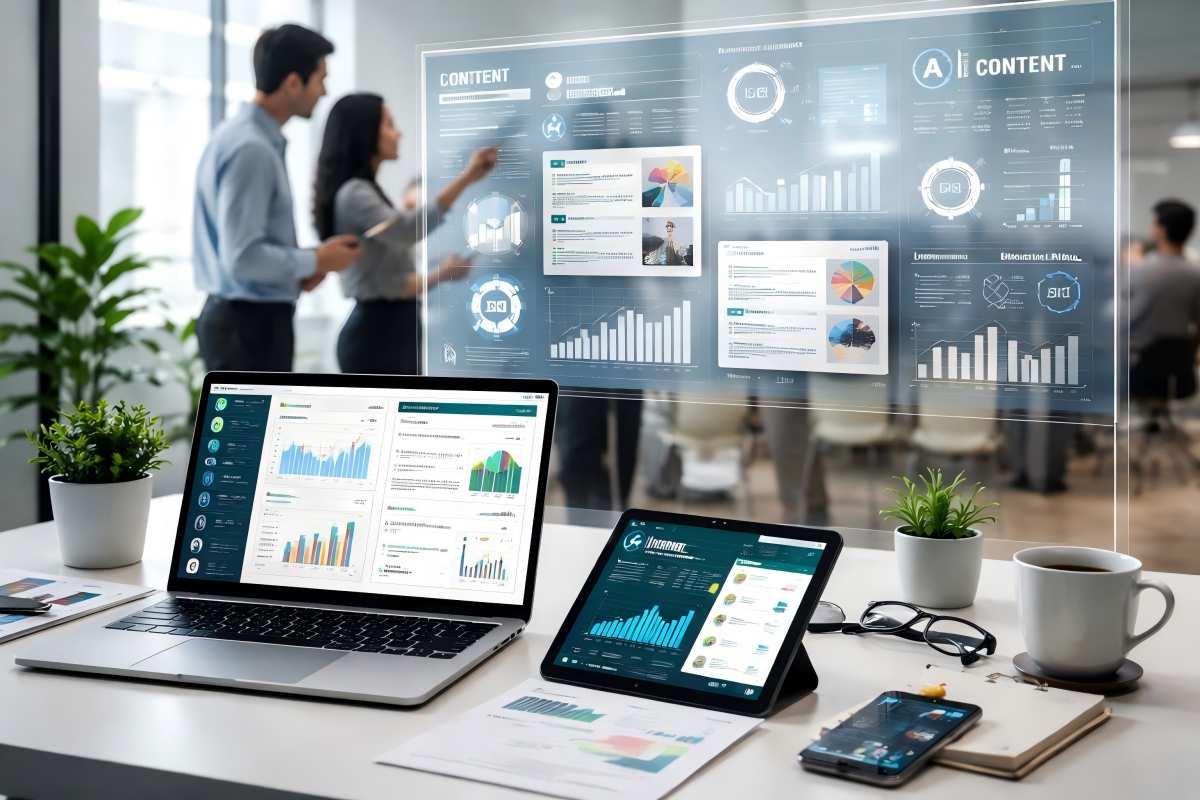
AI for marketing efficiency depends on fast content creation, strong research, and steady performance tracking. When you use the right tools, you cut manual work and focus on strategy that drives revenue.
Generative AI for Content Generation
Generative AI helps you produce content at scale without adding staff. Tools like ChatGPT, OpenAI models, and Jasper draft product descriptions, email campaigns, blog posts, and ad copy in minutes.
You can use AI-generated content for:
- Product pages for e-commerce content creation
- Social media captions
- Paid ad variations
- FAQ sections and support articles
Instead of staring at a blank screen, you start with a structured draft. Then you refine tone, facts, and brand voice.
A small e-commerce brand like Urban Bloom used generative AI to write plant care guides and seasonal campaign emails. The founder once spent over 20 hours a week building visuals and writing copy inside Canva.
After adding AI tools and PixExact to automate her multi-size workflow, she cut content production time to 2 hours per week. She used the extra time for campaign planning and testing.
Her ad return increased by 35%, showing how AI marketing case study results often come from better use of time, not just faster writing.
Content Research and A/B Testing
Strong content research improves relevance and search visibility. AI tools scan large data sets to find keyword gaps, trending topics, and user intent patterns.
For SEO optimization, platforms like Surfer SEO analyze top-ranking pages and suggest:
- Ideal word count
- Keyword frequency
- Heading structure
- Related search terms
This data helps you shape content before you publish it. You reduce guesswork and improve ranking potential.
AI also speeds up A/B testing. You can generate multiple headlines, calls to action, or product descriptions in seconds.
Then you test variations across email campaigns, landing pages, and ads. Instead of testing one idea at a time, you test five.
You quickly learn which message drives clicks and conversions, which increases AI for marketing efficiency in real campaigns.
Optimizing Content Performance
Content optimization does not stop at publishing. AI tracks engagement, click-through rates, bounce rates, and conversions in real time.
You can use AI tools to:
- Identify underperforming pages
- Recommend headline rewrites
- Suggest internal links
- Adjust keyword usage
If a product page ranks but does not convert, AI highlights friction points such as weak calls to action or missing trust signals.
For small teams, this matters. Urban Bloom combined AI-generated content with automated image resizing from PixExact.
The system removed repetitive design work from the multi-size workflow and allowed the founder to focus on performance metrics instead of resizing graphics. When you shift from manual production to data-driven optimization, you improve output quality and campaign returns without increasing workload.
Enhancing Customer Insights and Segmentation

AI for marketing efficiency depends on how well you understand your customers and act on that data. When you use predictive analytics, smart lead scoring, and natural language processing, you turn raw customer data into clear, usable customer insights that drive better campaigns.
Predictive Analytics and Lead Scoring
Predictive analytics uses machine learning to study past customer data and forecast future actions. Your CRM collects purchase history, website visits, email clicks, and ad responses.
AI models analyze these patterns and estimate who is most likely to buy, churn, or upgrade. You can apply this through predictive lead scoring.
Instead of ranking leads by basic rules, the system assigns scores based on behavior and similarity to past high-value customers. For example, a model may weigh:
- Frequency of site visits
- Cart activity
- Email engagement
- Past purchase value
This approach helps you focus sales and ad spend on leads with the highest probability of conversion.
In a small e-commerce brand like Urban Bloom, predictive lead scoring helps you decide which subscribers should receive premium plant bundle offers and which need educational content first. You reduce wasted spend and increase return on ad investment by targeting intent.
Advanced Audience Segmentation
Traditional customer segmentation often relies on age, gender, or location. AI-driven audience segmentation goes deeper by grouping customers based on behavior, preferences, and lifetime value.
Machine learning models scan large sets of customer data and identify clusters you might miss. These clusters may include:
- First-time buyers who respond to discounts
- Repeat customers who prefer bundles
- High-value buyers with seasonal purchase spikes
You can sync these segments with your CRM and ad platforms. This allows you to tailor email flows, product recommendations, and paid campaigns to each group.
For an e-commerce team managing content creation across channels, advanced segmentation supports a multi-size workflow. You create different visuals and messages for each audience type.
When tools like PixExact reduce production time, you can quickly generate multiple ad sizes for each segment and test them. This leads to better targeting and measurable gains in ad performance.
Natural Language Processing in Customer Analysis
Natural language processing (NLP) analyzes text from reviews, support tickets, surveys, and social media comments. Instead of reading hundreds of messages, you let AI extract themes and sentiment.
NLP can identify:
- Common product complaints
- Frequently requested features
- Positive phrases linked to repeat purchases
This gives you direct customer insights without manual sorting. You see which words customers use and adjust your messaging to match their language.
In customer relationship management systems, NLP can tag incoming messages by topic or urgency. You respond faster and personalize follow-ups based on real concerns.
For a brand like Urban Bloom, NLP might reveal that customers value “low maintenance” and “pet-safe” plants more than price. You then adjust ad copy, product descriptions, and email subject lines to reflect these priorities.
This tight link between language and strategy strengthens AI for marketing efficiency and improves campaign results.
AI for Social Media and Real-Time Optimization

AI for marketing efficiency becomes clear when you reduce manual work, respond to customer signals faster, and adjust campaigns while they are still running. You save time on social media management, improve targeting with sentiment data, and increase results through real-time optimization.
Social Media Management Tools
AI-powered social media management platforms automate scheduling, publishing, and basic reporting. You can plan posts across channels, adjust timing based on past engagement, and manage comments from one dashboard.
Tools like ActiveCampaign connect email and social data. This helps you align social media scheduling with retention campaigns and product launches.
Instead of guessing when to post, you rely on performance data and predictive insights. Design also plays a role in efficiency.
Many small teams still spend hours resizing images in tools like Canva for each platform. An AI-driven multi-size workflow removes this bottleneck by generating platform-ready assets in bulk.
Urban Bloom, a small indoor plant brand, faced this issue. The founder spent over 20 hours a week creating and resizing social visuals.
After adopting PixExact, she cut that time to 2 hours per week. She used the saved time to test new offers and refine ad targeting, which increased ad return by 35%.
AI chatbots also support daily management. Conversational AI handles common questions in direct messages, confirms order status, and suggests products.
This keeps response times low without adding staff.
Social Listening & Sentiment Analysis
Social listening tools track brand mentions, product feedback, and trending topics in real time. Instead of manually searching comments, you monitor keywords and competitor activity in one place.
Platforms like BuzzSumo highlight high-performing content and emerging themes. You see what topics drive shares and adjust your content plan quickly.
Sentiment analysis adds another layer. AI reviews comments and messages to label them as positive, neutral, or negative.
You spot patterns early, such as complaints about shipping delays or praise for a new product line. This data supports smarter retention campaigns.
If sentiment drops after a product launch, you respond with targeted content or a support update. If positive feedback rises around a specific feature, you use it in ads and product descriptions.
AI chatbots also feed insights back into your system. When customers ask the same question often, you treat it as market research.
That feedback shapes both e-commerce content creation and paid messaging.
Real-Time Campaign Optimization
Real-time optimization changes how you manage paid social campaigns. Instead of waiting for weekly reports, AI reviews performance data every hour and adjusts bids, budgets, and audiences.
Ad platforms now use machine learning for ad optimization. They test creative variations, shift spend toward higher-performing segments, and reduce exposure to low-performing placements.
You focus on strategy while the system handles micro-adjustments. AI also supports dynamic creative testing.
It mixes headlines, images, and calls to action to find the best combination. This speeds up campaign optimization without manual A/B testing.
For small e-commerce brands, speed matters. In the Urban Bloom AI marketing case study, the founder used saved design time to test more creative variations.
Combined with AI-driven bid adjustments, her campaigns improved steadily instead of stalling. When you pair automated creative production with real-time performance data, you create a feedback loop.
Content improves, targeting sharpens, and budget shifts toward what drives revenue.
Ethical, Privacy, and Data Considerations in AI Marketing
AI for marketing efficiency depends on strong data privacy, secure systems, and clear ethical rules. You must protect customer data, prevent bias, and build a reliable data infrastructure that supports responsible growth.
Ensuring Data Privacy and Security
AI marketing tools rely on customer data such as browsing history, purchase behavior, and ad engagement. If you collect or store this data without clear consent, you risk legal action and loss of trust.
You should state what data you collect, why you collect it, and how long you keep it. Follow laws such as GDPR and CCPA when you target users in those regions.
Always provide a clear opt-in and an easy opt-out option. Strong data security reduces the risk of breaches.
Use:
- Encryption for data in transit and at rest
- Role-based access controls
- Multi-factor authentication
- Regular security audits
More data can improve personalization, but it also raises privacy risk. Limit data collection to what your AI models truly need.
This approach supports both marketing efficiency and customer trust.
Responsible AI Use and Ethical Considerations
Ethical AI means you use automation to support customers, not manipulate them. AI systems can shape pricing, recommendations, and content delivery.
Without oversight, they can create bias or unfair outcomes. You should audit your AI models for patterns that exclude or disadvantage certain groups.
Train models on diverse and updated datasets. Add human review to high-impact decisions such as pricing or credit-related offers.
Transparency also matters. If you use AI chatbots or automated product recommendations, clearly label them.
Explain why a user sees a specific ad or offer when possible. Avoid tactics such as false scarcity timers or hidden subscription terms.
Ethical AI protects consumer autonomy. It also supports long-term performance in areas like e-commerce content creation and campaign targeting.
Data Governance and Infrastructure Best Practices
Efficient AI marketing depends on strong data governance and reliable data infrastructure. Disconnected tools and messy data reduce model accuracy and slow decision-making.
You should define clear rules for:
- Data ownership
- Data quality standards
- Access permissions
- Data retention limits
Integrate data from your CRM, ad platforms, email tools, and analytics systems into a unified structure. Clean, consistent data improves segmentation and forecasting.
Build infrastructure that supports secure data integration across platforms. Use automated validation checks to flag missing or inconsistent records.
When you align data governance with ethical AI standards, you reduce risk and improve performance. You also create a stable foundation for scalable AI marketing results and repeatable multi-size workflow automation.
Emerging Trends and the Future of AI Efficiency in Marketing
AI for marketing efficiency now focuses on automation, shared data, and smarter planning. You see faster tools, deeper analytics, and tighter links between marketing, sales, and content teams.
These shifts change how you build campaigns, track results, and scale growth.
Innovations in AI Marketing Tools
AI marketing tools now handle more than simple automation. They manage content creation, audience targeting, performance tracking, and multi-touch attribution in one system.
You can use AI tools for marketing to generate ad copy, product images, and email flows in minutes. Many platforms also connect with systems like Salesforce Marketing Cloud, so your data moves in real time.
This tight AI integration reduces manual exports and spreadsheet work. Visual workflows also improve.
In one AI marketing case study, a small e-commerce brand called Urban Bloom struggled with content creation. The founder spent over 20 hours each week resizing images for ads and social posts in Canva.
After adopting PixExact, she built a multi-size workflow that auto-generated platform-ready images. Her weekly design time dropped to 2 hours.
She used the extra time to refine targeting and review marketing metrics. Within one quarter, her ad return increased by 35%.
Tools like AI Assist features, influencer discovery engines, and predictive budget models now act as productivity multipliers for small teams.
Cross-Functional Collaboration
AI for marketing efficiency improves when teams share data across functions. Marketing, sales, and operations now work from the same dashboards.
You can connect marketing analytics with CRM data to see how leads move through the funnel. Multi-touch attribution models show which ads, emails, or influencer posts drive revenue.
Shared AI systems also support faster testing. Your content team can launch new ads while your analytics team tracks results in real time.
Sales can adjust follow-up timing based on AI lead scores. For small brands, this alignment matters.
When Urban Bloom reduced design time, the founder shifted focus to strategy and customer insights. She reviewed campaign data weekly instead of monthly.
Cross-functional use of AI tools for marketing turns isolated tasks into connected workflows. You gain clarity on what works and where to invest.
Evolving Role of AI in Marketing Strategy
AI no longer supports strategy; it shapes it. You now build marketing strategy around data signals, not assumptions.
Predictive models forecast demand, suggest pricing changes, and flag underperforming ads early. Marketing metrics update in real time, so you adjust budgets before losses grow.
Conversational AI also changes customer journeys. Shoppers use chat tools instead of browsing full websites.
This shift forces you to optimize product data and responses for AI-driven discovery. The future of marketing depends on how well you combine automation with human judgment.
AI handles analysis and scale. You focus on brand voice, creative direction, and long-term growth.
When you remove manual work and trust reliable data, AI for marketing efficiency becomes a strategic advantage.
Frequently Asked Questions
AI for marketing efficiency helps you cut manual work, improve targeting, and make faster decisions. Many brands now use AI to automate e-commerce content creation, test ads, and manage a multi-size workflow without adding staff.
What are the top free AI tools currently available to enhance marketing efforts?
You can start with free tiers of tools you may already use. Platforms like Google Ads and Meta Ads include built-in AI for bidding, targeting, and creative testing at no extra cost.
ChatGPT and similar AI writing tools offer free plans for drafting product descriptions, email copy, and blog outlines. Canva also provides AI features for design suggestions and background removal.
For e-commerce content creation, tools like Shopify Magic and basic AI image enhancers help you write product copy and improve visuals without hiring a designer.
These tools reduce repetitive tasks and give you a low-risk way to test AI for marketing efficiency.
How has AI technology evolved in the marketing industry as of 2025?
AI has moved from basic automation to predictive and generative systems. In the past, you set fixed rules like “send this email after two days.” Now AI predicts the best time, message, and audience automatically.
Generative AI has also changed creative work. You can now produce ad copy, product images, and video drafts in minutes instead of days.
AI tools also integrate directly into ad platforms, CRMs, and e-commerce systems. This makes real-time optimization normal rather than advanced.
By 2025, AI acts more like a decision assistant than a simple automation tool.
Can you provide some successful examples of AI applications in marketing strategies?
Consider the AI marketing case study of Urban Bloom, a small indoor plant brand. The founder spent over 20 hours each week in Canva resizing images for ads and social posts.
After adopting PixExact, she automated her multi-size workflow and cut that time to 2 hours per week. She used the extra time to plan campaigns and test audiences.
Within three months, her ad return increased by 35%. AI removed repetitive resizing and formatting work so she could focus on strategy.
Large brands also use AI for product recommendations. Streaming and e-commerce platforms suggest items based on browsing history, which increases conversion rates and average order value.
What are the primary benefits companies have experienced by integrating AI into their marketing?
You save time on repetitive tasks. This includes resizing images, scheduling posts, writing first drafts, and optimizing bids.
You improve targeting and personalization. AI analyzes customer behavior and helps you show the right product to the right person at the right time.
You also make faster decisions. Real-time data replaces guesswork, which reduces wasted ad spend.
For small teams, AI often acts as a productivity multiplier. Tools like PixExact free you from manual design work so you can focus on growth.
What challenges or disadvantages should businesses be aware of when implementing AI in marketing?
Poor data leads to poor results. If your customer data is incomplete or messy, AI predictions will not be accurate.
AI tools can also feel like “black boxes.” You may not always see how the system made a decision, which can make reporting harder.
There are ethical and privacy concerns. You must collect data with consent and follow data protection laws.
Finally, AI still needs human review. You must check copy, visuals, and targeting to protect your brand voice and avoid errors.
What predictions can be made about the future developments of AI in the field of marketing?
AI will become more embedded in everyday tools. You will not “add AI” as a separate step; it will be built into your ad platforms, design tools, and e-commerce systems.
Creative production will speed up further. You will generate multiple ad variations and product visuals instantly, then let AI test them in real time.
Small teams will compete more easily with larger brands. With tools that automate e-commerce content creation and multi-size workflows, you can operate at a higher level without hiring a large staff.